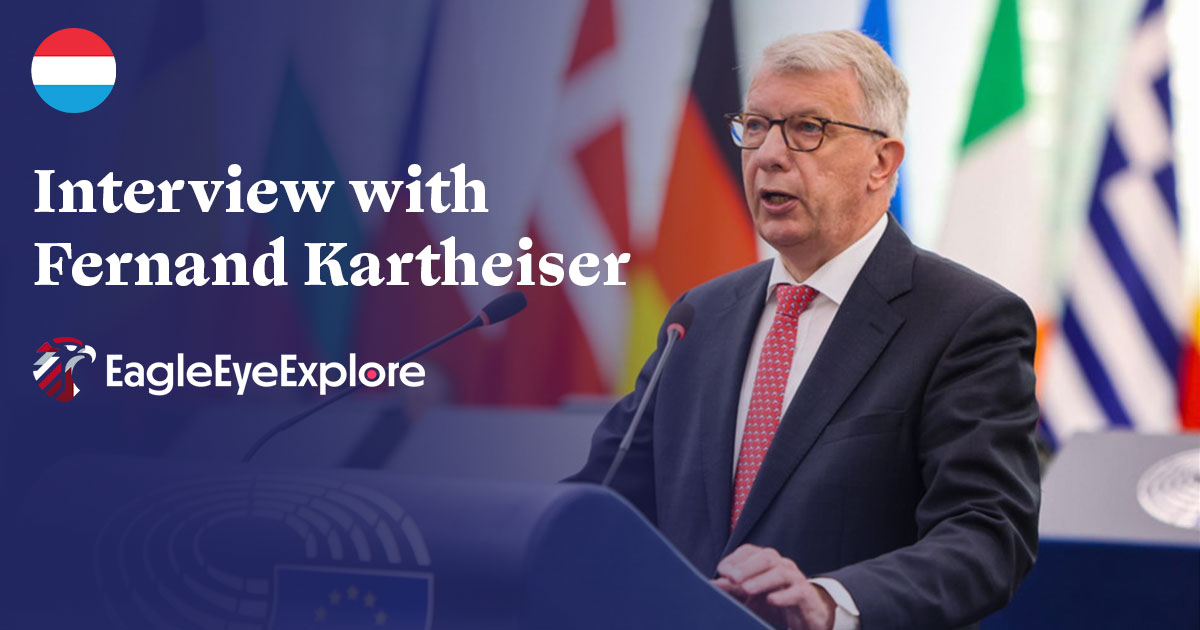
If the EU continues down this path, it will betray the ideals on which it was founded — the ideals of its founding fathers. We must act against this. I am encouraged by the fact that an increasing number of Members of the European Parliament are now saying that this must change and are prepared to oppose this course of development. That is in the best interests of the EU and its neighbours, Fernand Kartheiser, a Member of the European Parliament from Luxembourg’s Alternative Democratic Reform Party (ADR), told our portal in an interview.
Mr. Kartheiser , how would you assess the current situation in the European Union, considering the war-mongering tendencies, the left-liberal ideology that in many ways has become authoritarian, and the censorship that anyone expressing an independent opinion now encounters? What is your first impression of the current moment in the EU? Is it something new?
It is new — and I would say it is irrational and dangerous. I am disappointed by the direction the European Union is taking. It is irrational because it contradicts our economic interests — for example, our relationship with Russia. It contradicts our security interests because instead of seeking stability, we are entering an arms race. And it is dangerous because, as you mentioned, our liberties are increasingly endangered by a growing system of censorship. If the EU continues on this path, it will betray the ideals on which it was founded — the ideals of the founding fathers. We must act against this. I am encouraged that a growing number of Members of the European Parliament now say this must change and are willing to stand up against this evolution. That is in the best interest of the EU and its neighbors.
You are one of the strongest voices calling for peace and for rebuilding relations with Russia. For that opinion, you face stigma and media ostracism. How do you personally deal with it? And do you have allies in the European Parliament to counter this increasingly totalitarian direction?
When I began advocating for this, I knew I would be isolated and criticized. That is often the case when you are among the first to take a political initiative and stand up against something. People who do this face difficulties for a time, but eventually things may normalize as more people become convinced. I believe the political line I defend will ultimately prevail because it is based on more rational considerations than the policies pursued by leaders like Mrs. von der Leyen, Mrs. Kallas, and others.
You asked about allies. I think my strongest allies are in the electorate. Over time, elections will show that advocates of peace gain support over those who push for confrontation. I see this also in my own country: while some criticize me for going to Russia, many more support me and say, “Yes, this is the right path. We disagree with the official policy.” Public opinion is shifting — and I think we are ultimately winning.
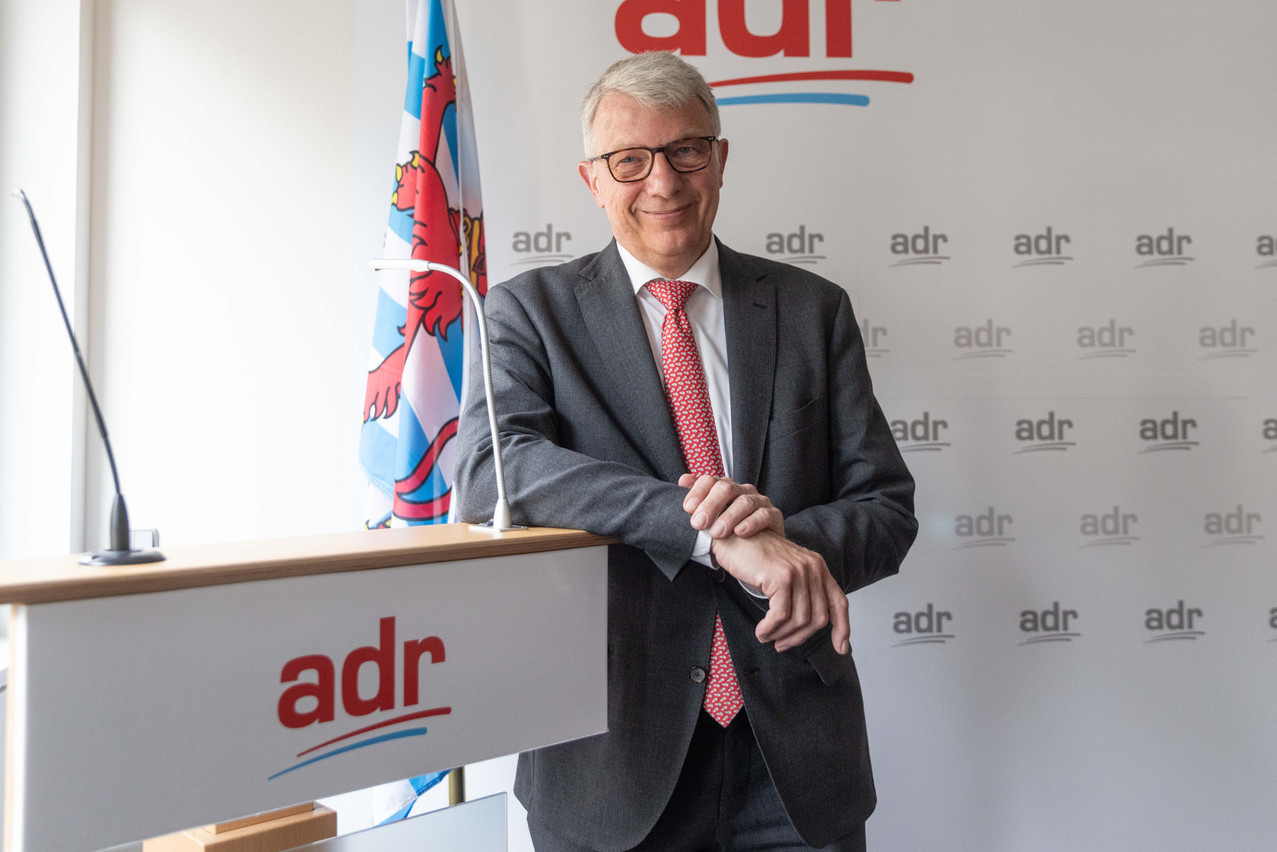
This seems especially important ahead of the European Parliament elections, given the growing division between political elites and ordinary citizens. Could we expect some kind of “revolution of common sense”?
I hope so. The elites go in one direction; the people go in another. This captures the divide you mentioned. If governments choose an enormously costly policy — like rearmament — it inevitably comes at the expense of social security, healthcare, education. And people do not support that. They do not perceive Russia as a threat. Russia has never said anything threatening toward us. The crisis is geographically limited to Ukraine, and we must solve that problem. Beyond Ukraine, Russia poses no general threat to European states. People understand this. And despite the propaganda, they will not support massive militarization in the long run.
How do you assess the prospects for the United States and Russia moving closer together and the possibility of a meeting between Presidents Putin and Trump? Would such a meeting bring something new to Europe?
We were all disappointed that the Budapest summit did not take place and was postponed. I hope — and I believe — they will try to hold such a summit soon. The U.S. is also suffering under the financial burden of supporting the war in Ukraine. President Trump has repeatedly distanced himself from this war, calling it the war of his predecessor. He does not want it, but he has inherited the crisis. Facing elections next year, he also faces pressure from his base, which is largely anti-war.
Given this domestic political situation, I believe President Trump will seek a new approach toward Russia — whether on Ukraine, arms control, economic relations, or lifting sanctions. We do not yet know what form it will take, but I am optimistic that he will pursue a new relationship because he needs a foreign-policy success.
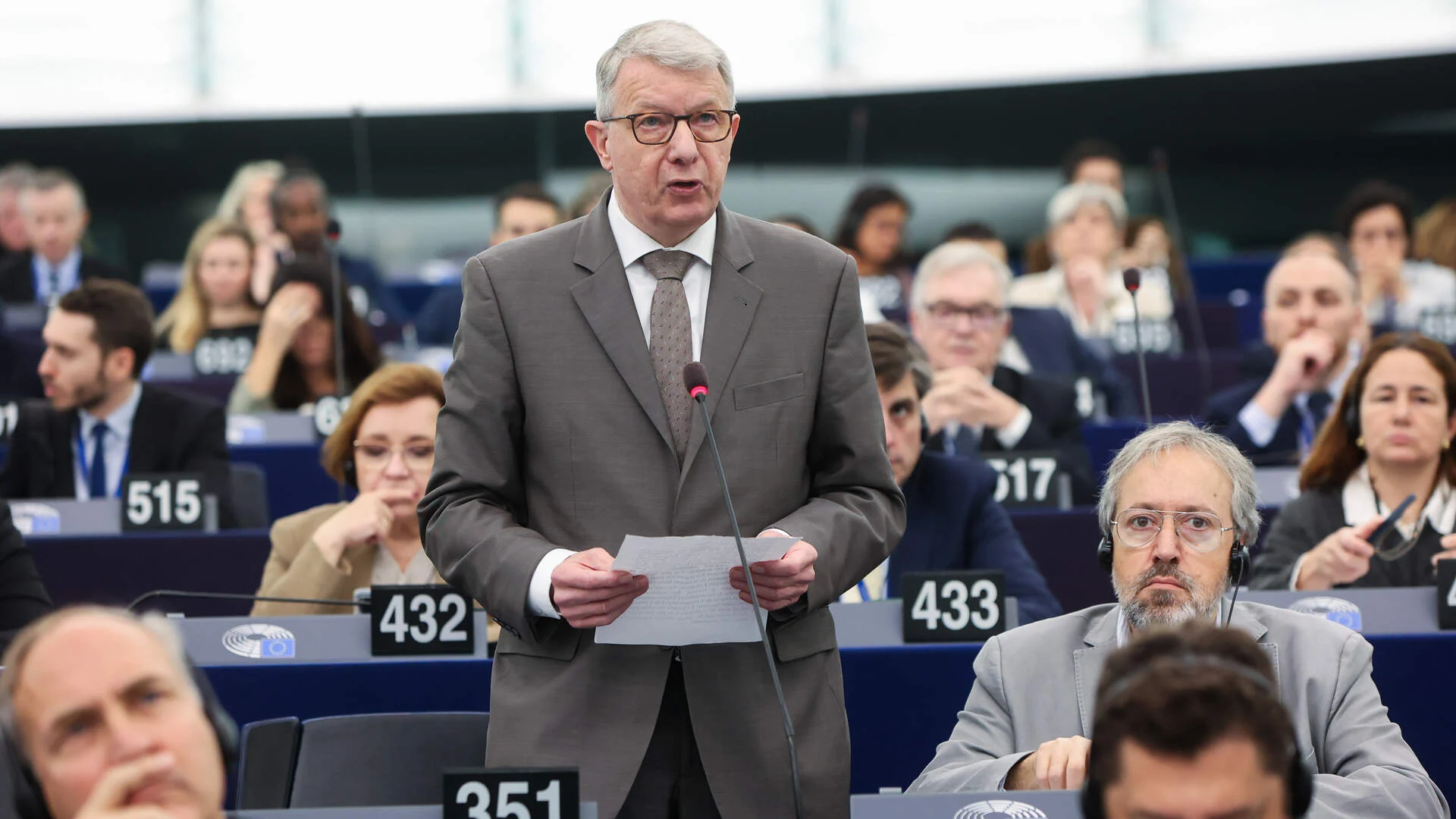
One more question, from the perspective of ordinary Europeans. The EU was created as a peace project, but today it seems to be becoming a war project — with accelerated militarization in every sector of life. Why is this happening now?
It is happening because we are led by people with an agenda that is not credible. There is not only a divide between elites and the people; there is also a divide between EU member states — between those who are traditionally Russophobic and those who are not.
The EU institutions are heavily influenced by the Baltic states: the Foreign Affairs Commissioner is from Estonia, and the Defense Commissioner from Lithuania. Their views are not broadly shared across the EU. At the same time, a counter-pole is emerging: Hungary, Slovakia, perhaps the Czech Republic, and others. Let us not forget that some states remain neutral — Austria, Ireland — and others are culturally close to Russia, like Greece and Cyprus.
So within the Council of the EU, there is a large potential group of states ready to resist the current direction. Countries are being pushed to spend 5% of GDP on defense — which is unrealistic for most. In Germany and elsewhere, young people are resisting military drafts because they see no purpose in this militarization. Resistance is mounting everywhere — in states, in parliaments, in public opinion, among young people. All of this will lead to a major setback for the current agenda.
The only way to avoid this is a change of policy at the top levels of the EU — and that may happen if Russia helps by clearly signaling that it poses no threat. As Minister Lavrov has done, Russia should continue sending the message that it is ready for arms control discussions in the OSCE and elsewhere.
I believe Russia is already negotiating discreetly with the United States, but it must also communicate publicly with the EU, which currently has no real diplomatic channel with Moscow. Russia is behaving more reasonably than the EU right now, so it should take the initiative. That would help Europeans respond.