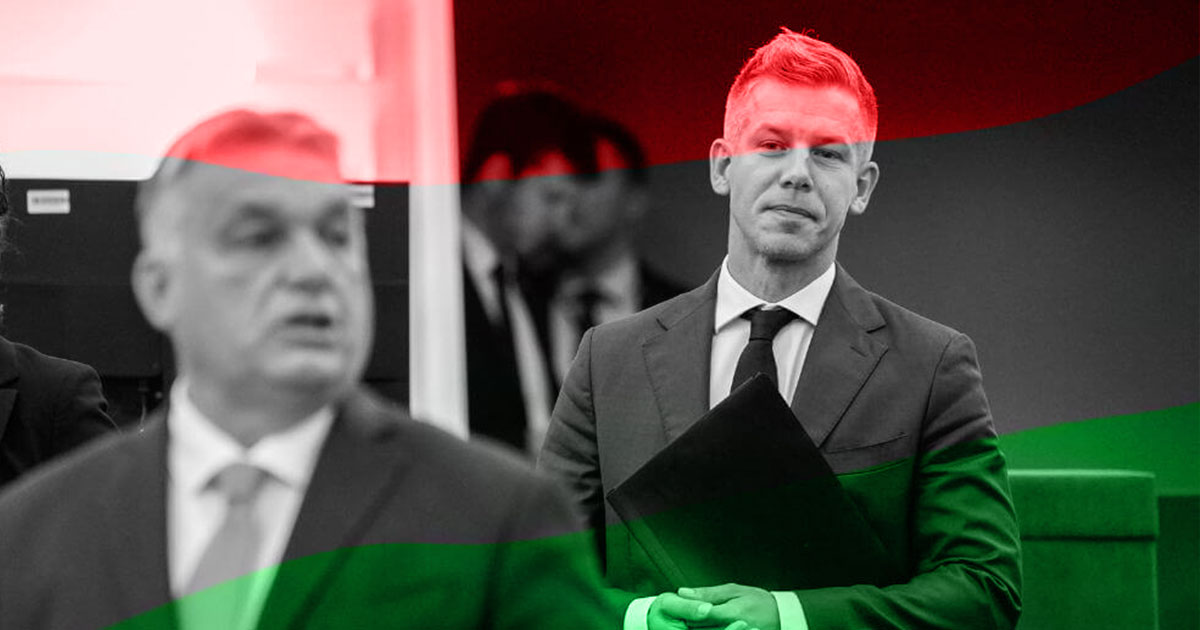
Less than a month after the electoral defeat of Viktor Orbán and the fall of his national-conservative government—one that had done much to preserve Hungary’s identity and sovereignty—the country is already witnessing symbolic shifts under his successor, Péter Magyar, a former member of Fidesz. At Magyar’s inauguration, the Roma anthem was played, presented as a nod to “European values” and a redefined Hungarian identity.
In just a matter of weeks, the pace and intensity of these changes have become clear, particularly at the symbolic level. The new government has moved quickly to align its policies with Brussels, signaling a broader recalibration of Hungary’s political direction.
POLITICAL TRAJECTORY ALIGNED WITH EU
Among the first initiatives is a proposal for a new television and online platform, “Duga,” intended to broadcast around the clock and promote LGBT-related content and messaging. At the same time, a known pro-LGBT activist has been appointed as minister of education, underscoring the government’s priorities in the cultural sphere.
These developments are unfolding against the backdrop of a recent ruling by the European Court of Justice on Hungary’s 2021 Child Protection Law. The court found that the legislation—introduced to strengthen penalties for pedophilia and limit the exposure of minors to content related to homosexuality and gender identity—violates EU law, including provisions on fundamental rights and the internal market.
The timing of the ruling, coming shortly after Orbán’s departure from office, has reinforced perceptions of the direction the new government is likely to take. Despite occasional attempts to present himself in conservative terms, Magyar’s political trajectory appears closely aligned with Brussels.
His election was warmly welcomed by prominent international figures such as Hillary Clinton, Barack Obama, and Alex Soros, a response widely interpreted as an endorsement of his political orientation and future agenda.
Magyar has also signaled a willingness to take concrete steps toward deeper European integration, including the eventual replacement of the Hungarian forint with the euro by 2030. While ambitious, the plan carries economic risks and would require strict fiscal measures and compliance with EU convergence criteria.
Whether such a timeline is realistic remains uncertain, but the announcement itself underscores a clear intention to prioritize alignment with EU institutions.
REFORMS ADAPTED TO EU PRIORITIES
Relations between Budapest and Brussels appear set to deepen further, particularly in light of ongoing financial negotiations. Hungary has faced withheld EU funds in recent years, a situation closely tied to disputes over governance, judicial independence, and rule-of-law concerns during Orbán’s tenure.
European Commission President Ursula von der Leyen has already emphasized the urgency of reforms in Hungary, and EU officials have moved quickly to engage with the new government in Budapest.
This urgency is also linked to broader European priorities, including continued financial support for Ukraine, where Hungary’s previous government had taken a more cautious or resistant stance.
Magyar’s administration now faces pressure to adopt a more cooperative position within EU decision-making frameworks, particularly on major funding packages.
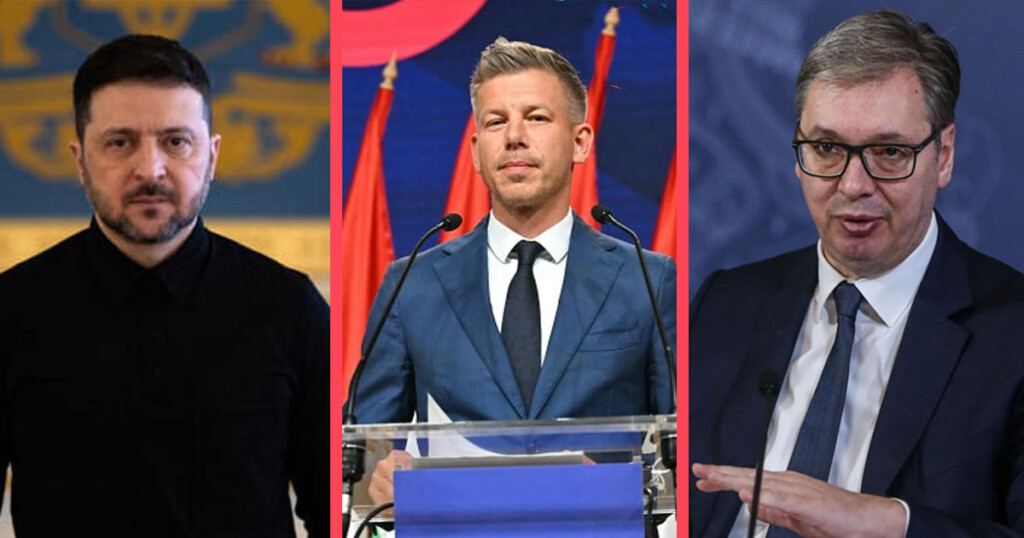
RELATIONS WITH UKRAINE AND SERBIA — WHAT IS CHANGING?
In foreign policy, the new government has signaled a shift as well. A meeting between Magyar and Volodymyr Zelenskyy has been announced for early June in Transcarpathia, a region with a Hungarian minority population, suggesting a recalibration of regional relations.
At the same time, previously strong ties with neighboring countries, including Serbia, may face new uncertainties. Projects such as energy cooperation and infrastructure development—including the Belgrade–Budapest railway—could be subject to review under the new policy direction.
Although Magyar and supportive European media outlets have often described his political position as center-right, his early policy moves suggest a departure from several core elements of Orbán’s approach.
These include a shift in emphasis away from traditional cultural policies, a more accommodating stance toward EU priorities, and a reassessment of Hungary’s position on issues such as migration and relations with Russia.
Despite campaign rhetoric that included firm positions on migration, it remains to be seen how the government will navigate these issues in practice.
A SIGNIFICANT TURNING POINT
Questions have also emerged regarding governance and anti-corruption efforts. Early appointments—including that of a close family member to a senior justice role—have drawn scrutiny and raised concerns about consistency with campaign promises.
Orbán’s 16-year tenure left a significant imprint on Hungary’s political and cultural landscape, particularly through policies emphasizing national sovereignty, traditional values, and resistance to external pressures.
His government pursued measures aimed at strengthening family policy, limiting migration, and promoting a distinct national identity within the European framework.
The transition now underway represents a notable turning point, not only for Hungary but also for the broader European political environment.
Whether the new government will succeed in balancing domestic expectations with external pressures remains an open question.
What is clear is that Hungary has entered a new phase, one defined by closer engagement with European institutions and a reexamination of its political priorities