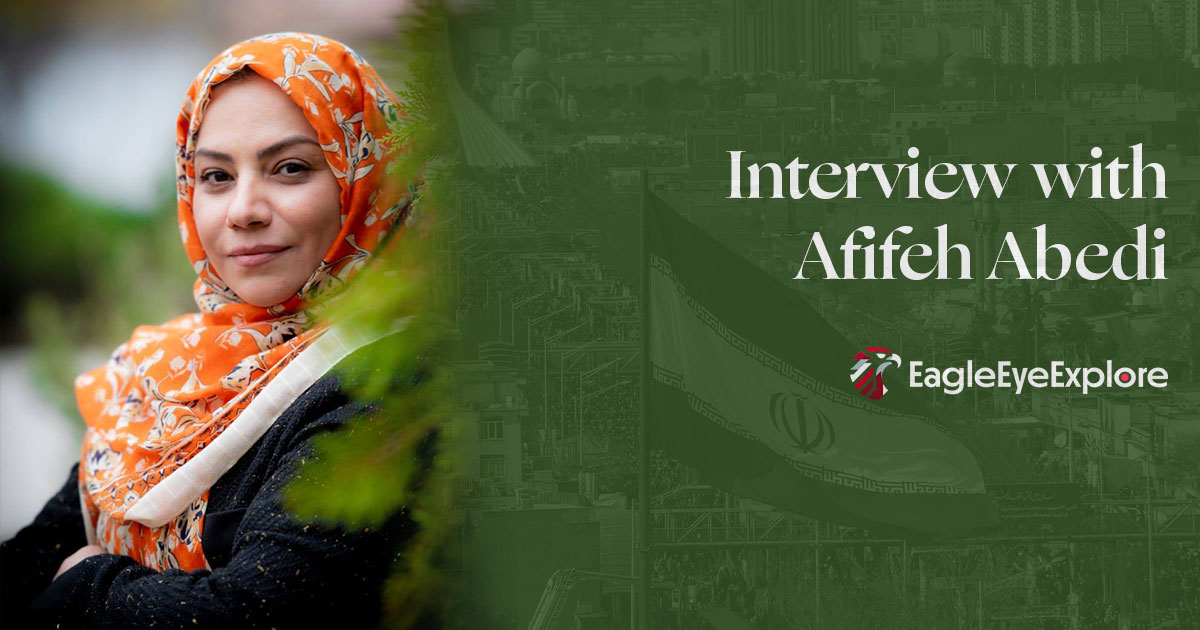
Although I primarily follow China and the Far East, I have hear about Afifeh Abedi, a respected Iranian foreign policy analyst, after reading media reports about her political engagement in promoting women’s rights in Iran. Later, ahead of the BRICS summit in New Delhi, I read her interview with ISNA, the Iranian Students News Agency.
I noticed some of her astute observations.
For example, she said that BRICS could represent an important capacity for reducing political and economic pressure on Iran, but that Tehran should not view the organization as a complete substitute for bilateral and multilateral diplomacy or other initiatives to counter sanctions.
“It should be borne in mind that BRICS is still evolving and, given the diversity of its membership, has a relatively heterogeneous structure. Nevertheless, Iran must make every effort to maximize the use of available capacities within BRICS,” Afifeh Abedi said in the interview with the aforementioned student news agency.
Another observation was that it is possible for BRICS to reach a common political position against US and Israeli aggression against Iran, but that forming a common, practical and binding position is considerably more difficult.
“Despite this, within the BRICS framework, Iran should try to align its political, security and economic positions and initiatives as much as possible with China and Russia. The political support and positions of these two countries toward Iran are of great importance and can affect Iran’s practical capacity to utilize BRICS mechanisms,” Afifeh Abedi stated, noting that India would seek to play a mediating and facilitating role and support certain diplomatic initiatives, but that it was unrealistic to expect New Delhi to adopt direct and explicit positions in support of Iran.
Just how the world has truly become “small” was demonstrated when it turned out that an old acquaintance and colleague of mine knew Afifeh Abedi. This provided an opportunity to gain, firsthand, a glimpse behind the propaganda media curtain that Western media have erected around Iran.
The situation in Iran, and by that I do not mean only the ongoing war that the United States and Israel are waging against your country, but Iranian society as well, has long been presented in the media exclusively in accordance with the interests of the Western powers. Echoes of such treatment of Iran have also reached my country. In those media reports, Iran is not an ancient civilization that has the right to choose its own path and that has its virtues and flaws, but exclusively a “religious despotism,” a “poor country,” and a “constant threat” to world peace. Thus, we have been given a simplistic picture of Iran so dark that, in that media blackout, viewed from Europe and beyond, it is still very difficult, even despite the information flow of social media, to discern what Iranian society really looks like. For example, an acquaintance of mine recently told me, much to my surprise and disagreement, that it does not matter that Iran is an ancient civilization if, in the 21st century, there is “no internet” there. I tried to explain to him that, judging by my own experiences, the internet is indeed quite accessible in Iran, but my acquaintance remained faithful to something he had read somewhere, most likely on Facebook or “X,” because he could not tell me the source of the information that had led him to that conclusion. What does Iran really look like in everyday life, in broad outline?
The image of Iran presented by Western media is often the result of portraying Iran as a threat to the West. The United States needs other countries to follow its lead in order to establish its position as the leader of the West, and for this reason, it seeks to create common threats. These threats include independent actors such as Iran, which do not accept American dominance in the region and the world. Iran, with a civilization spanning several thousand years, cannot be confined to the stereotypes of “religious authoritarianism” or a “permanent threat.” Like all countries, Iran has its own natural historical existence. Present-day Iran is a combination of tradition and modernity, challenges and achievements, and people whose everyday lives – from high-speed internet to reputable universities – present an image very different from what is portrayed in Western media.
How did it happen that such a “dark” and, in every respect, “weak” country – I am referring to the reports of Western media and without any desire to idealize Iran – managed to remain, to put it mildly, undefeated in its war with the United States?
The fact that Iran has remained standing despite crippling sanctions, military pressure, and propaganda stems from multiple factors: deep national-religious ties, indigenous capabilities in defense and technology, an extensive network of regional allies, and, most importantly, Iranian society’s resistance to foreign pressure. Iran has never sought war, but in defending its territorial integrity and sovereignty, it has acted decisively, as we saw in its response to the recent acts of aggression.
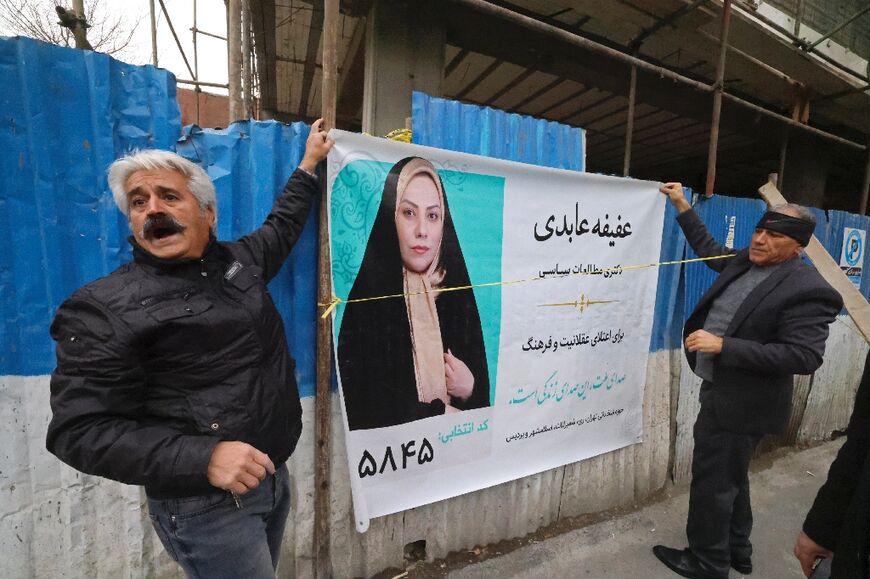
If you had to single out one thing that is most often misunderstood about Iranian foreign policy in the West, what would it be?
Perhaps the most significant misunderstanding is the view that Iran’s foreign policy is purely ideological and inflexible. While Iran has consistently emphasized principles such as independence, non-alignment with power blocs, and support for the oppressed, in practice it has pursued a complex and pragmatic diplomacy. The JCPOA (Joint Comprehensive Plan of Action was signed in Vienna in July 2015 between Iran and the the five permanent members of the UN Security Council plus Germany, as well as the European Union) is an example of this flexibility within the framework of national interests, although the United States’ unilateral withdrawal from it severely undermined Iran’s trust in Washington.
How does Tehran assess the balance of power in the Middle East today, following what took place on the battlefield, that is, after the United States encountered a strong military response from Iran? Has Iran’s position in the region been strengthened today, or has it been shaken? `
Following Iran’s strong response to the recent acts of aggression, Iran’s position in the region has been strengthened. Iran is now recognized as an established regional power that not only possesses deterrent capabilities but also plays a key role in the region’s security equations. This strengthened position stems from a combination of military capabilities, a network of allies, and popular legitimacy in the region among those who oppose American colonialism and Israeli occupation.
How important are relations with Hezbollah, the Houthis, and other partner forces in the region still to Iran’s security strategy, and to what extent has that policy changed?
The Axis of Resistance is rooted in the religious culture of the people of the region, who oppose foreign intervention in the destiny of the nations of the region. It is this human factor that has led to the formation and continuation of the Axis of Resistance. The nations of the Axis of Resistance have understood that their destinies are intertwined in the face of the American-Israeli axis. These relationships therefore continue to constitute one of the pillars of Iran’s security strategy. Iran views these forces not as tools, but as part of the resistance and the historical struggle against domination and occupation. Nevertheless, the nature of these relationships has evolved in recent years, focusing more on strategic cooperation and indigenous empowerment rather than one-sided dependence.
What does Iran see today as the best way to prevent a new direct conflict with Israel? In other words, do you believe it is possible to reach a lasting agreement with the United States on Iran’s nuclear program, or has Iran’s trust in Washington disappeared? Could you briefly explain to our readers the structure of the problem concerning Iran’s nuclear program? In the Balkans, only rough, basic outlines of this problem are known, while in Serbia, on the other hand, we still remember how nonexistent weapons of mass destruction were used as a pretext for the American attack on Iraq…
Iran has consistently emphasized the need for a just resolution to the Palestinian issue and rejects a military solution. Iran has repeatedly stated that the best path to restoring the rights of the Palestinian people is to hold a referendum involving all inhabitants of the occupied territories and Palestinians living in exile around the world. Even Iran’s martyred leader repeatedly supported holding such a referendum with the participation of all. Regarding an agreement with the United States, Iran’s trust in Washington has been severely damaged following Trump’s unilateral withdrawal from the JCPOA, the assassination of General Qassem Soleimani, the betrayal of the negotiating table, and the assassination of the Leader of the Revolution and a large number of Iranian commanders. Nevertheless, Iran has always declared its readiness to negotiate. Any agreement must include tangible and practical guarantees, not fragile promises. Iran’s nuclear program is peaceful in nature, and according to the Leader’s fatwa, the production and use of nuclear weapons are forbidden. The main issue is Iran’s right to enrich uranium on its own soil for peaceful purposes. Instead of recognizing this right, the West seeks, through politically motivated pretexts, to permanently restrict Iran’s access to peaceful nuclear technology. Why does the United States sign a nuclear agreement with Saudi Arabia while undermining any peaceful and fair agreement with Iran? All these pretexts stem from America’s desire to dominate Iran.
How do you view Iran’s relations with the Arab states of the Persian Gulf, particularly Saudi Arabia and the United Arab Emirates, following the presumed process of normalization of relations?
Iran welcomes any de-escalation and normalization of relations with its Arab neighbors, particularly Saudi Arabia and the United Arab Emirates. The talks and restoration of relations with Saudi Arabia in 2023 were a positive step toward regional cooperation, which was undermined by the warmongering of the United States and Israel. Iran believes that security in the Persian Gulf should be ensured by the countries of the region themselves, rather than through the presence of extra-regional forces.
How do you see the role of Russia and China in the current geopolitical situation in the Middle East, and what do these countries mean for Iran today, and what will they mean in the future?
Russia and China are now Iran’s strategic partners in the political, economic, and security fields. These relations do not constitute a full alliance, but rather cooperation based on shared interests. Iran benefits from cooperation with these two countries to counter American unilateralism and create a balance in the international system.
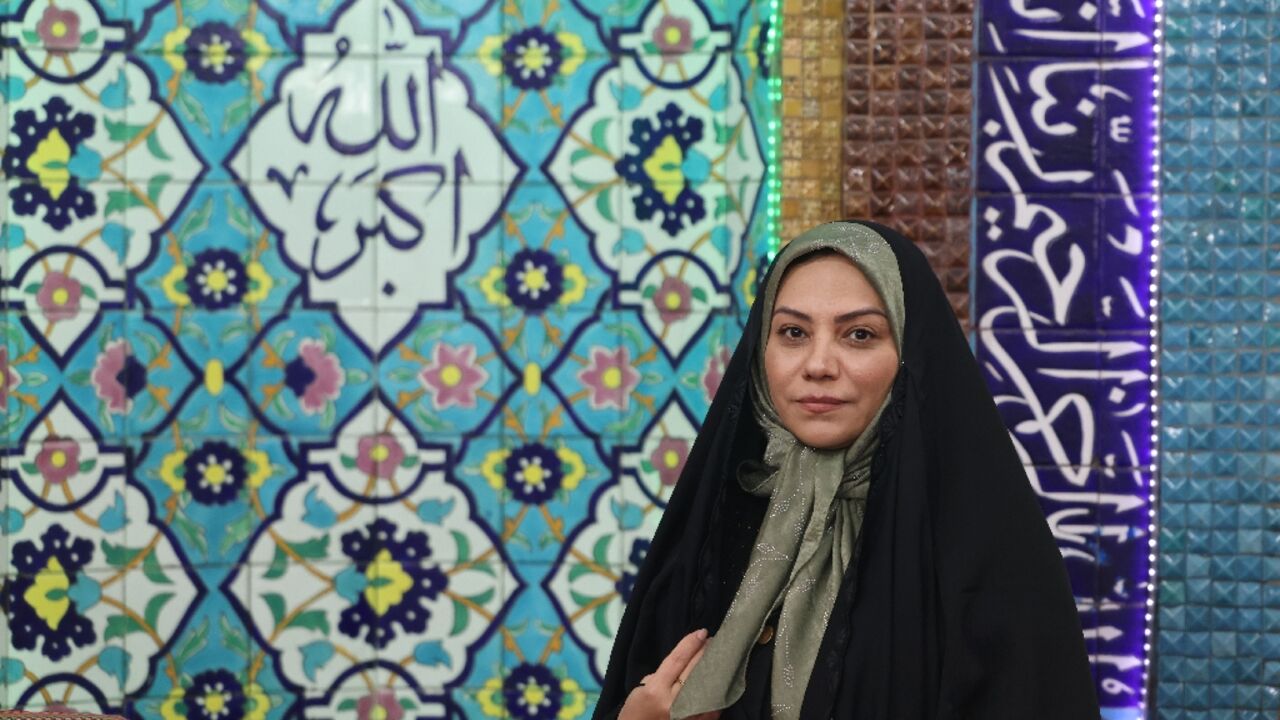
Do you believe that the world order is truly moving toward multipolarity? If so, how could Iran position itself within such an order? How important are the Shanghai Cooperation Organization, BRICS, and relations with the countries of the Global South to Iran today, not only in terms of circumventing sanctions and mitigating the consequences of the sanctions’ impact on Iran?
The world is genuinely moving toward multipolarity, and at times, American officials admit that the war against Iran is part of the war against China. Washington believes that China’s and Russia’s relations with Iran could lead to the formation of a powerful Eastern bloc against the West. Since this bloc does not accept America’s unilateral dominance over the world, it is considered a threat by Washington. The Shanghai Cooperation Organization, BRICS, and relations with countries of the Global South are not merely tools for Iran to circumvent sanctions, but opportunities to participate in shaping a fairer global order.
To what extent has the Western “non-governmental” sector been present in Iran, and to what extent is it present today? Generally speaking, how successfully does this sector manage to penetrate Iranian society?
The Western non-governmental sector has had, and continues to have, a presence in Iran, mostly in the form of limited cultural and educational projects. Factors contributing to restrictions on the presence of Western non-governmental organizations in Iran include past cases of exploiting this capacity for infiltration projects and the establishment of networks against the Iranian government, while part of the restrictions also stems from U.S. and Western sanctions against Iran.
The most striking impression I have noticed among the Iranians I have met, and thanks to the work I do I have had the opportunity to meet quite a few of them, both men and women, are genuinely well educated and very moderate. But that is my personal, perhaps even specific, experience. On the other hand, Western propaganda, particularly on social media, portrays young, beautiful, and at the same time very scantily dressed and smiling women, probably from the first half of the 1970s, who are presented as examples of the “beautiful” and “carefree” times when Iranian women “enjoyed freedom.” In the meantime, I have read some academic studies that explain the position of women in Iran in a broader context. The results of those studies show that the matter is not black and white. What is the position of women in Iran, and what was their role in the Islamic Revolution?
Iranian women today have a significant presence in universities, science, medicine, the arts, and even sports. The rate of higher education among Iranian women is higher than in many countries in the region. Women played a pivotal role in the Islamic Revolution and the defensive war. What Western media portray is an incomplete and stereotypical image. Iranian women seek freedom, observe hijab, follow Islamic values, and maintain an active presence in scientific, social, and political arenas. In the recent war, female managers who were involved in Iran’s missile and drone industries, or who were successful and influential managers in Iran’s energy sector, were assassinated by the United States and Israel.