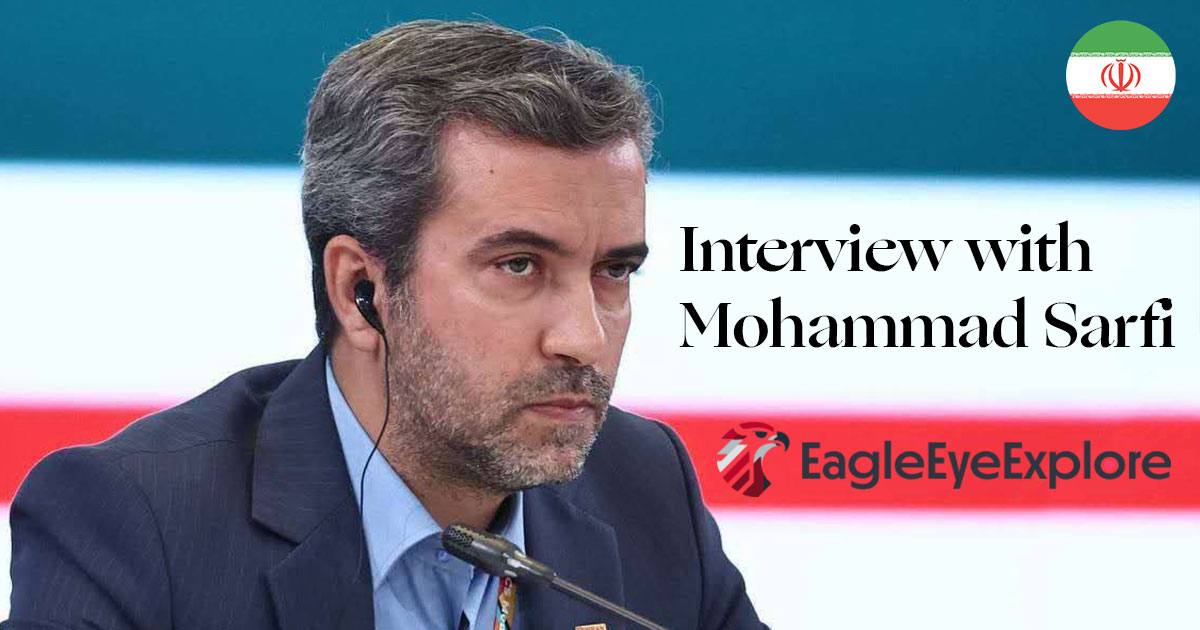
Мохамад Сарфи је главни и одговорни уредник „Техеран тајмса“. То значи да се у овом тренутку Сарфи налази на првој ватреној линији одбране своје земље. Брани је тако што у својим новинама и нарочито на интернету непрекидно износи ставове своје земље и објављује вести. Ово је прилика да из прве руке, из самог Ирана, сазнамо каква су иранска гледишта у погледу садашњег сукоба, тачније речено агресије Сједињених Амричких Држава и Израела на Иран и нарочито како у Техерану виде будућност Блиског истока.
У Србији се перцепција рата, који су САД и Израел повели против Ирана, на неки начин заоштрила нападом САД на школу и страдањем више од 160 деце, махом девојчица. Српско друштво, поврх свега тога, добро памти децу коју је НАТО пакт, предвођен САД, убио током агресије на СР Југославију, односно Србију, 1999. године. Како је овај несумњиво ратни злочин деловао на иранско друштво?
Мислим да се иранско друштво доста променило у односу на период пре овог рата. Осамдесетих година прошлог века Иран је био укључен у осмогодишњи наметнути рат са Ираком под влашћу Садама Хусеина, тако да људима рат није био непознаница. Међутим, чињеница је да су од завршетка тог рата прошле скоро четири деценије и да већина иранског друштва, коју чине млади људи, није искусила рат. Регион западне Азије одувек је био оптерећен ратовима и немирима, али је Иран око четири деценије био поштеђен ратова и у том смислу иранско друштво није имало непосредно искуство рата.
Можда је први утицај рата на друштво то што су људи схватили колико је безбедност важна. Годинама су западни медији ширили идеју да треба постављати питање зашто Иран троши новац на војна питања и зашто, на пример, развија ракете и дронове. Та снажна и континуирана пропаганда није била без утицаја на размишљања дела људи, али су сада сви дубоко схватили да је улагање у безбедност потпуно рационалан поступак и да, у свету који све више подсећа на џунглу, ако нисте јаки, бићете у опасности.
Уопштено говорећи, могу да кажем да је овај рат учинио поглед иранског народа на свет реалнијим, а такође их је учинио свеснијим значаја јединства и унутрашње кохезије.
Свет је изненађен снагом иранске одбране, као и губицима које је Иран нанео Сједињеним Америчким Државама у околним земљама и самом Израелу. Из балканске перспективе, чини се да Иран успешно одолева својим противницима, а у појединим сегментима борбе чак показује и надмоћ. Утисак је да је Иран на ратишту усамљен у овом сукобу, али да је обезбедио одређени ниво логистичке подршке. Русија и Кина помињу се као земље које би могле да снабдевају Техеран, пре свега обавештајним подацима и сателитским информацијама. Одакле потиче снага иранске одбране?
Да, и ја сам чуо различите наводе о руској и кинеској помоћи Ирану. Наравно, то нису званичне информације и не знамо њихове прецизне детаље. Мислим да је природно да ствари буду тако постављене.
Међутим, истина је да се одбрамбена моћ Ирана не ослања на такву помоћ. Искуство рата са Ираком научило нас је многим лекцијама. Схватили смо да, ако желимо да се одбранимо, не можемо и не смемо да чекамо ничију помоћ. Дозволите ми да наведем један занимљив пример из тог рата. У то време Иран је купио бодљикаву жицу од земље А и намеравао да је увезе, али земља Б, преко чије територије је пошиљка морала да прође, није дозволила њен транзит, тако да пошиљка никада није стигла у Иран.
Из тога смо научили да морамо да се ослањамо на сопствене снаге. Зато смо почели да развијамо своју одбрамбену индустрију у различитим областима, од којих су данас најистакнутије ракетна и беспилотна индустрија. Стога је један од кључних фактора ове одбрамбене снаге управо иранска самодовољност у производњи војне опреме. У суштини, Иран ратује сопственим, домаћим наоружањем.
Други фактор је морал. На папиру гледано, иранска војна техника и технологија заиста се не могу поредити са онима којима располажу Сједињене Америчке Државе и Израел. Дозволите ми да овде напоменем и то да је у овом рату учествовао и НАТО, иако се настоји да се размере тог учешћа прикрију и да оно не буде сувише очигледно. Имајући у виду такав раскорак у опреми и технологији, Иран је, по логици ствари, требало да подигне руке и преда се. Оно што је одиграло пресудну улогу у обликовању овог историјског отпора био је морал припадника иранских оружаних снага. Они се не плаше смрти, већ, напротив, сматрају да је погинути у таквом рату питање части и поноса. Када је морал на таквом нивоу, немогуће је поразити људе.
Могли би се навести и бројни други фактори, али сматрам да управо ова два имају темељну улогу у снази иранске одбране.
Можемо рећи и да је свет изненађен начином на који Иран парира западној, односно америчкој, ратној пропаганди. Чини се да Иран овај рат не губи ни у медијима, ни на друштвеним мрежама и другим онлајн платформама. Иранска страна осмислила је бројне креативне приступе и методе да пренесе своје виђење рата, као и чињенице које иначе не би биле доступне широј светској јавности. Како оцењујете улогу иранских медија у одбрани Ирана и како сте успели да се тако добро припремите?
Па, по мом мишљењу, ирански народ, укључујући и људе у медијима, осетио је да је ово егзистенцијални рат. Зато нису штедели напоре и ушли су у арену свим снагама. Сједињене Америчке Државе доминирају глобалним медијским гигантима. Они постављају алгоритме друштвених мрежа. Они манипулишу гласовима. Они чак и бришу гласове. Али овај рат је био толико транспарентан и јасан да, упркос свему томе, Американци нису могли да наметну сопствени наратив. Цео свет је својим очима видео како је једна земља нападнута само зато што је одбила да клекне, и већ првог дана убијено је више од 100 школске деце.
У ствари, злочин непријатеља, помешан са глупошћу, био је делотворан у овој ситуацији и допринео је да Иран буде успешан у борби наратива. Наравно, сматрам да смо још увек веома далеко од идеалног стања и онога што би требало да буде, и пред нама је тежак пут. У овом рату суочавамо се са империјом лажи која замењује улоге агресора и жртве и, уз хиљаду медијских трикова и психолошких операција, не жели да дозволи да све реалности овог рата допру до ушију света. По мом мишљењу, рат се завршава на војном фронту, али рат око наратива о чињеницама остаје, и веома је пресудан.
Поново, из балканске перспективе, уочи америчког и израелског напада на Иран, у Ирану је изведен некакав покушај државног удара и покушај свргавања власти. Организовани су улични немири, а дошло је и до сукоба. Шта се тачно догодило, како су иранске власти реаговале, у којој мери је била присутна страна умешаност и колико је заиста било жртава?
Дозволите ми да кажем кратко и искрено. Након што Сједињене Америчке Државе нису успеле да остваре своје циљеве у 12-дневном рату у јуну 2025. године, ушле су у сложену заверу. Окидач за ту заверу био је економски рат. Интензивирањем економског притиска, САД су подстакле социјално незадовољство у Ирану. Људи у појединим градовима изашли су на улице да протестују због економске ситуације и организовали демонстрације. Протести нису били веома насилни и одвијали су се својим природним током, све док САД и иранска опозиција у дијаспори нису „јашући“ на том таласу преусмерили ситуацију од економских протеста ка покушају уличног државног удара.
Трамп је званично и отворено наредио: „Нападните владине центре и преузмите их; ми ћемо вас подржати.“ Дана 8. и 9. јануара, у Техерану и неким другим градовима, нападнуте су јавне установе, па чак и полицијска и војна седишта, и почињени су многи злочини. Неки полицајци су живи спаљени!
Улични сукоби су трајали два до три дана, а многе жртве били су обични људи који су страдали насумично, само да би се подстакао хаос. Касније су управо ти исти медији и појединци који су организовали ове горке и криминалне догађаје почели да оплакују жртве и износе бизарне статистике, од 12.000 убијених па чак до 50.000 или 60.000!
Да би се супротставио тој масовној дезинформацији, Иран је објавио комплетан списак убијених, заједно са њиховим матичним бројевима (који су јединствени), на веб-сајту . То је обухватало полицијске и безбедносне снаге, обичне грађане, демонстранте и изгреднике. Укупан број је био приближно 3.100, што се драстично разликовало од бројева које су износили опозиција и западни медији. Они који су тврдили да је број многоструко већи никада нису успели да докажу своје тврдње нити да пруже било какве доказе.
У сваком случају, чак и једна смрт била је болна и превише за нас, и ови немири и неуспели пуч су, на неки начин, створили услове за нови амерички и израелски напад на Иран.
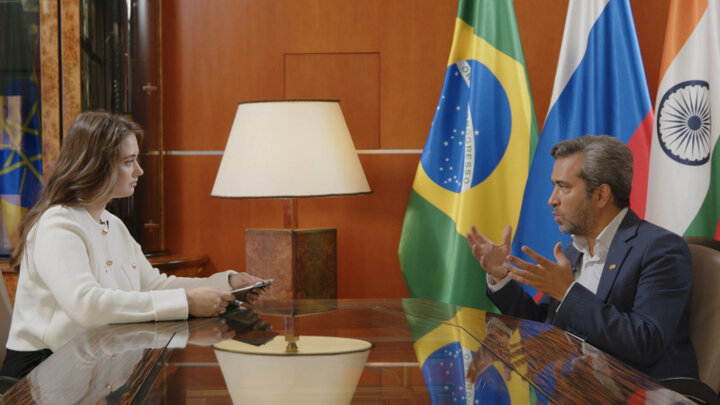
Шта сматрате да је прави циљ америчких и израелских напада на вашу земљу?
Сједињене Америчке Државе и Израел су до сада износили различите циљеве и, у ствари, изговоре за покретање овог рата, и више пута их мењали. На пример, тврдили су да је Иран на корак од израде атомске бомбе и да је циљ рата да се то спречи - док је Трамп, након 12-дневног рата 2025. године, тврдио да су иранска нуклеарна постројења уништена! Или су говорили да нападају како би подржали ирански народ! Напад на основну школу у Минабу и убиство више од стотину ученика првог дана рата показали су колико је та тврдња искрена. Или су говорили о ударима на инфраструктуру и претњама да ће уништити иранску цивилизацију!
Мислим да они не могу да толеришу независан Иран. Иран је деценијама под најтежим санкцијама, и против њега су спровођене разне врсте саботажа - од атентата на војне команданте и нуклеарне научнике, преко озбиљних сајбер-напада, организовања унутрашњих нереда и најтежег економског рата - али Иран не само да није капитулирао, већ је наставио да напредује и да се супротставља њиховим плановима у стратешком региону Западне Азије.
Зато није изненађујуће што је такав однос према Ирану испуњен бесом. Како су касније открили западни извори, јануарски немири су их додатно подстакли, и помислили су да ће уз снажну кампању за неколико дана остварити велику победу и да ће се Иран предати. Наравно, ни „венецијански театар“ и отмица Мадура нису били без утицаја на ту врсту похлепе и илузије.
Јасно је да су Сједињене Државе заинтересоване за извођење државног удара у вашој земљи, преузимање контроле над владом у Техерану, Ормуским мореузом и иранским нафтним пољима. Став Израела према Ирану је такође добро познат, као и став САД према Израелу. Рекао бих да ту нема већих непознаница. Али зашто се древни, религијски мотиви користе да би се објаснила агресија? У једном тренутку, рат у САД и Израелу је тумачен у библијским терминима, као неизбежни Армагедон. Зашто су САД, а са њима и Израел, прибегли оваквом начину објашњавања агресије према вашој земљи?
Прво питање које се свима поставља у вези са ратом јесте: зашто? Ратови захтевају легитимитет или бар неки облик оправдања. Рат САД и Израела против Ирана нема никакво логично нити уверљиво оправдање. Највиши обавештајни званичници Трампове администрације признали су да Иран није био ни на корак од производње нуклеарног оружја нити је представљао непосредну претњу по безбедност Сједињених Држава.
Када нема логике и рационалног објашњења, преостаје прибегавање апокалиптичним и армагедонским наративима. Оправдавање овог рата неком врстом религијског језика је срамотно. Која религија на свету дозвољава да се убијају обични људи, посебно деца? Сигурно да Свети Христос презире такве злочинце.
Како је овај религијски и библијски наратив о нападу на Иран прихваћен у самом Ирану? Какав је одговор Ирана на тврдње о Армагедону, „крају времена“ и доласку „месије“?
Могу рећи да то није имало апсолутно никакав утицај и да томе нико није придавао посебну пажњу. У ствари, то није имало публику и нема је ни данас. Можда Американци могу да продају такав наратив неким људима у свету, али ирански народ има много дубље разумевање америчке политике и циљева да би био под утицајем таквих бесмислица. Из иранске перспективе, Сједињене Државе користе сваки могући трик да оправдају овај рат и своје злочине, а апокалиптични наративи су само један од њих.
Како сте доживели посету Доналда Трампа Кини? Чини се као да Доналд Трамп који је отпутовао у Кину није исти онај Доналд Трамп који се размеће силом, прети царинама и уводи казнене мере. Шта очекујете у Техерану након Трампове посете Кини?
Током своје посете Кини, Трамп је очекивао да ће приморати Пекинг да изврши притисак на Иран како би овај направио уступке, али поражена и ослабљена Америка свакако више одговара Кини, а Кинези су превише паметни да би помагали свом противнику.
У сваком случају, Трамп се из Кине вратио празних руку по питању иранског досијеа. Рат са Ираном имао је многе међународне последице, а слабљење позиције Америке у ривалству са Кином једна је од тих последица.
Како оцењујете улогу Русије, Кине и других земаља БРИКС-а? Да ли сте у Ирану очекивали активнију улогу ове организације, посебно јер многи сада критикују БРИКС због пасивности у вези са агресијом на Иран?
С тим у вези суочавамо се са неколико нивоа. Један ниво је војна и обавештајна сарадња између Кине, Русије и Ирана, која је природно поверљива. Други ниво су дипломатске активности и ставови који се јавно износе, а трећи ниво чине активности и ставови иза кулиса.
Не мислим да је Техеран незадовољан ставовима Кине и Русије по овом питању, али једно важно питање мора се имати у виду. Шта год да Кина и Русија раде у овом случају, оне у суштини прво помажу себи и сопственим интересима. Обликује се нови светски поредак и државе кроз своје позиције и деловање одређују своје место у њему. Кина и Русија су велике силе, и друге земље посматрају њихово понашање у вези са ратом у Ирану и у складу с тим прилагођавају своје односе са њима, у складу са проценама какве размере ће пвај рат имати.
Позиције БРИКС-а такође се могу анализирати из те перспективе. Наравно, Уједињени Арапски Емирати су чланица БРИКС-а, а били су једна од зараћених страна у сукобу против Ирана, и одиграли су значајну улогу у рату. Управо су УАЕ спречили да недавни састанак министара спољних послова БРИКС-а у Индији изда заједничко завршно саопштење.
Како у Ирану гледате на мултиполарност света и како видите позицију Ирана у мултиполарном свету?
Као што је наведено у вашем питању, ирански народ не сматра Америку господарем света и верује да је ера америчке хегемоније над светом завршена. Ирански народ се супротставио Америци када је она наводно била на врхунцу своје моћи. Ипак, Иранци се нису тога плашили. Сада је ситуација јасна.
Што се тиче места Ирана у новом светском поретку: мислим да тренутни рат има много тога да каже о томе. Иранци су платили високу цену и сигурно се неће повлачити.

Да би се створила атмосфера сарадње и просперитета у региону, мора се предузети неколико корака, од којих је први и најважнији одсуство војног присуства и мешања сила ван региона. Оне су дошле под изговором да гарантују безбедност, али су у ствари главна препрека постизању безбедности. То је кључна ствар. Како људи у Ирану гледају на мултиполарни свет и како ви видите положај Ирана у мултиполарном свету?
Као што сте и навели у свом питању, ирански народ не сматра Америку господарем света и верује да је ера америчке хегемоније над светом завршена. Ирански народ се супротставио Америци онда када је она, наводно, била на врхунцу своје моћи. Ипак, Иранци се тога нису плашили. Данас је ситуација јасна.
Што се тиче места Ирана у новом светском поретку, верујем да актуелни рат о томе говори више него довољно. Иранци су платили високу цену и сигурно се неће повући са тог пута.
Како би Блиски исток требало да изгледа у будућности, након овог сукоба? У једном коментару објављеном у Кини, неко је описао пожељну будућност Блиског истока као темељно преображену. Према тој визији, Блиски исток био би простор сарадње, а не сукоба. Улагања би се све више усмеравала ка одрживим изворима енергије, попут соларне енергије. Да ли је Блиски исток као простор сарадње уопште могућ?
Да, мислим да је то у потпуности могуће и оствариво. Довољно је да стране силе престану да се мешају у прилике овде и да допусте народима овог региона да сами одлучују о својој судбини. Јужне државе Персијског залива веровале су да ће обезбедити сопствену сигурност тако што ће угостити америчке војне базе. Али какав је био резултат? Те базе не само да својим домаћинима нису донеле безбедност, већ су постале и полазна тачка за агресију против Ирана, на коју је Техеран неминовно одговорио и уништио те базе.
Да би се створила атмосфера сарадње и просперитета у региону, потребно је предузети неколико корака, а први и најважнији међу њима јесте одсуство војног присуства и мешања сила које не припадају овом региону. Оне су дошле под изговором обезбеђивања сигурности, а у стварности представљају главну препреку успостављању безбедности. У томе је суштина читавог питања.