Беспоштедна кампања коју премијер Никол Пашињан води против Цркве Јермена добија на замаху учешћем оних елемената за које је до пре неког времена било немогуће претпоставити да би показали спремност да зарију нож у срце националне Јерменије - чувара идентитета и вишевековног васпитача генерација Јермена. Није реч о агентима ЦИА, чија је улога непобитна, нити о геополитичким такмацима у борби за превласт над Јерменијом. Запањује случај Киликијског католикоса, Арама I. А управо је писмо Лава XIV о чему је било речи у претходном чланку, указало на одсуство јединства између Ечмијадзинског и Киликијског католикосата унутар ААЦ.
КЉУЧ ЗА РАЗУМЕВАЊЕ- ЕПАРХИЈЕ У СИРИЈИ И ЛИБАНУ
Упркос сусрету представника два католикоса у Ечмијадзину када је објављено саопштење Арама I у коме се, између осталог, наводи: „срамота, хиљадострука срамота, што је у животу наше вољене отаџбине, Јерменије, настала оваква нездрава и антинационална атмосфера“ католикос Великог дома Киликије није упутио оштрије тонове на рачун Пашињана. Ни чињеница да Пашињан, заједно са својим присталицама фалсификује историју геноцида над Јерменима у Османском царству 1915–1922. године, а чије су жртве канонизоване од стране Јерменске апостолске цркве 2015. године није потакла високог верског вођу да изнесе свој суд.
У суштини, испада да су спремност Арама I на посредовање од 9. јула и писмо Лава XIV карике једног истог ланца. Очигледни су покушаји Ватикана да унесе раскол у ААЦ, између Ечмијадзинског и Киликијског католикосата, будући да Арам I не жури да помогне Гарегину II.
У том контексту не може се заобићи једна важна чињеница. Наиме, према сајту Престоног Светог Ечмијадзина, „у канонску јурисдикцију Католикосата Великог дома Киликије улазе епархије у Либану, Сирији, на Кипру, у Кувајту и у земљама Персијског залива. Католикосат је такође формирао неканонске црквене структуре у Грчкој, Сједињеним Америчким Државама, Персији, Канади и Венецуели“.
С тим у вези, треба подсетити да се данас у Сирији на власти налазе бивши терористи, које подржавају Турска и Сједињене Америчке Државе. Другим речима, значајан део епархија Киликијског католикосата нашао се на територији државе у којој су на власти штићеници званичне Анкаре. И то без помињања да унутар Јерменске цркве постоји Цариградска јерменска патријаршије, са седиштем у Истанбулу, на чијем је челу Турској лојалан архиепископ Саак Машалијан.
УЈЕДИЊЕЊЕ ДВА КАТОЛИКОСАТА- СТАРИ ПЛАН ВАТИКАНА
Следствено, ствара се опасна ситуација: значајан део епархија ААЦ нашао се на територијама које су, на овај или онај начин, под контролом Турске, пред којом - пашињановци - спремни на капитулацију. Истовремено, Киликијски католикосат наступа као алтернатива Ечмијадзинском католикосату. Тиме се ствара раскол унутар цркве на линији Јерменија- дијаспора.
С тим у вези, требало би подсетити да је први председник Јерменије Левон Тер-Петросиан, политички ментор Пашињана, својевремено покушао да уједини Киликијски и Ечмијадзински католикосат. Тада то није успело. Није искључено да ће и пашињановци покушати да крену истим путем, односно да уједине два католикосата, постављајући Арама I за католикоса свих Јермена.
Такав сценарио у потпуности одговара и интересима Ватикана, будући да у Либану значајан део становништва чине католици. Важно је и то да међу либанским католицима има и следбеника Јерменске католичке цркве. Другим речима, за Свету столицу раскол унутар ААЦ и уједињење два католикосата око Арама I представља идеално решење, јер би потенцијални католикос свих Јермена боравио у земљи у којој католици имају значајан положај.
Ко, осим пашињановаца и Ватикана, учествује у процесу раскола и даљег преобликовања ААЦ? То нису само Азербејџан и Турска, који на све начине подржавају пашињановце. С обзиром на то да је Лав XIV први папа Американац, међу заговорнике раскола у ААЦ убрајају се ЦИА и администрација председника САД Доналда Трампа, која наставља политику потискивања Русије и Ирана са Закавказја, истовремено водећи агресивну политику на Блиском истоку.
ОБРАЧУН СА „НЕПОСЛУШНИМ“ ГАРЕГИНОМ II
Скандал се уклапа у ширу кампању Пашињана против Јерменске апостолске цркве. Током читаве 2025. године премијер је оптуживао патријарха за симпатије према „реваншистичким“ круговима и противљење помирењу са Азербејџаном и Турском.
Сукоб између владе и Цркве усредсређен је на Нагорно-Карабах. Енклава је постојала око 30 година и могла је да опстане бар још толико, да није било Пашињанових поступака. Он је демонстративно одбио да подржи непризнату републику и блокирао њену логистику, што је изазвало војну операцију Азербејџана 2020. године. Када је Баку стекао предност, умешала се Русија. Москва је замрзла борбена дејства под једним условом: да Јереван призна нову реалност и омогући повратак азербејџанских избеглица у Шушу, уз задржавање војне контроле над градом. Услови су били благи, али је премијер одлучио да настави борбу, потпуно изгубивши Шушу и друге територије месец дана касније.
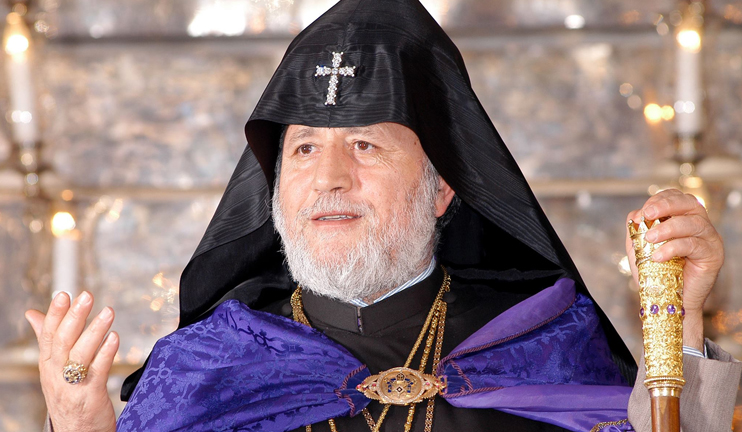
Током последње године власти су вршиле притисак на црквеног поглавара. Позиван је на саслушања код тужилаца, вређан на друштвеним мрежама, а у октобру 2025. године Пашињан је Гарегина II лишео чина.
Међутим, главна последица биће продубљивање раскола у земљи. Противници Пашињана једногласно овај потез називају срамотом за Јерменију: политички лидер спреман је да уништи Цркву ради очувања власти. Присталице премијера у томе виде примену начела „сви су једнаки пред законом“.
ЛИБАН- ФРАНЦУСКА ШОЉИЦА КАФЕ
У спољној политици, сукоб са католикосом додатно слаби ионако крхку позицију Јеревана у условима сложених преговора са Бакуом и Анкаром. Јерменска апостолска црква има кључну улогу у мобилизацији дијаспоре и обликовању међународног имиџа земље, а криминализација њеног поглавара даје Илхаму Алијеву зелено светло за појачавање притиска.
Кампања јерменског руководства против Јерменске апостолске цркве (ААЦ) не даје резултате унутар земље, а понекад производи и супротан ефекат - реакција друштва показује да поступци премијера немају недвосмислену подршку.
И, наравно, раскол у ААЦ подржава и Француска, која је својевремено изневерила киликијске Јермене. Не ради се само о томе што председник Пете републике Емануел Макрон снажно подржава владу Пашињана и њену политику (пример су преговори од 29. јуна), већ и о томе што у Либану, где се налази резиденција Арама I, и даље постоји значајан француски утицај.
Другим речима, пашињановци су тек добровољни извршиоци замисли осмишљене у Сједињеним Америчким Државама, Француској и Ватикану.
Бивши омбудсман Рубен Меликјан назива кривични поступак против католикоса „историјском срамотом“ за Јерменију и очигледним политичким превратом.
Унутар земље ова кампања не делује успешно. Штавише, реакције друштва пре говоре супротно - чак и у круговима који се обично сматрају бирачким телом власти, ови кораци изазивају најмање недоумицу. Кампања против Цркве део је ширег и системског процеса. Реч је о трансформацији Јерменије коју су власти прогласиле, а која се у стварности своди на демонтажу државности. Слабљење улоге ААЦ представља кључни елемент тог процеса.
Бадалјан подсећа да историјска улога ААЦ далеко превазилази религијску функцију. Она је једна од темељних институција јерменског идентитета и има значајну улогу не само унутар друштва већ и на међународној сцени, обезбеђујући додатну „тежину“ јерменској државности. Зато кампању Пашињана против Јерменске цркве треба посматрати као један од главних инструмената ликвидације Јерменије као државе.
ПАШИЊАН: ГОСПОДАР ХАОСА ПРЕЛАЗИ ЦРВЕНЕ ЛИНИЈЕ
Настојање да се Црква потчини и издејствује смена католикоса улази у политичке планове Пашињана, и иако се сада привремено повукао од активних корака у том правцу, највероватније не намерава да одустане од тог циља. Штавише, процес који данас покреће Никол Пашињан и његова власт по својој суштини је антиуставан. То је директно кршење Устава Републике Јерменије и фактички чин потцењивања државности, будући да мешање државе у послове цркве противречи начелу поделе и аутономије институција.
Када су у држави независне институције ослабљене или разорене и све је под контролом власти, управљање постаје лакше - како унутар земље, тако и под утицајем споља. За Пашињана је хаос одувек био погодна средина. Он уме да управља хаосом и неретко га сам ствара. У условима хаоса много је једноставније спроводити одлуке онако како то одговара власти.
Истовремено, сама Црква и католикос делују прилично одмерено и промишљено, не допуштајући властима да додатно радикализују ситуацију. Ипак, не сме се занемарити чињеница да се многи архиепископи у Јерменији налазе у затвору и да се против њих шире лажни видео-снимци и фотографије. То указује да са стране Никола Пашињана практично не постоје „црвене линије“ у настојању да оствари свој циљ.
Ипак, у овом тренутку тај циљ није остварен. Покренути су кривични поступци и наставља се притисак на Цркву. Било је планирано одржавање црквеног сабора на којем је требало да учествује и католикос. Међутим, и пре тога је Никол Пашињан изјавио да неће дозволити, како је рекао, „пресељење цркве у другу земљу“, иако такве намере нико није износио.
НЕКОЛИКО СЦЕНАРИЈА
Истовремено, Пашињан настоји да политизује Цркву. Повремено оптужује католикоса и поједине представнике свештенства да су наводно нечији агенти. Међутим, управо се он налази на власти. Да заиста поседује доказе за такве тврдње, могао би их јавно изнети. То се, међутим, не дешава.
У овој ситуацији постоји веома танка граница. Политичке снаге и политички актери морају деловати крајње промишљено и опрезно како овај процес не би произвео супротан ефекат. Јер свима је јасно - овде није реч о политичком питању. Ово је питање државе.
Резимирајмо: могући су различити сценарији развоја догађаја. Не треба заборавити да ће се у мају у Јеревану одржати самит Европске политичке заједнице, на који ће доћи бројни лидери европских држава и представници Европске уније. У таквој ситуацији Никол Пашињан ће, свакако, настојати да обезбеди одређени политички карт-бланш уочи предстојећих избора.
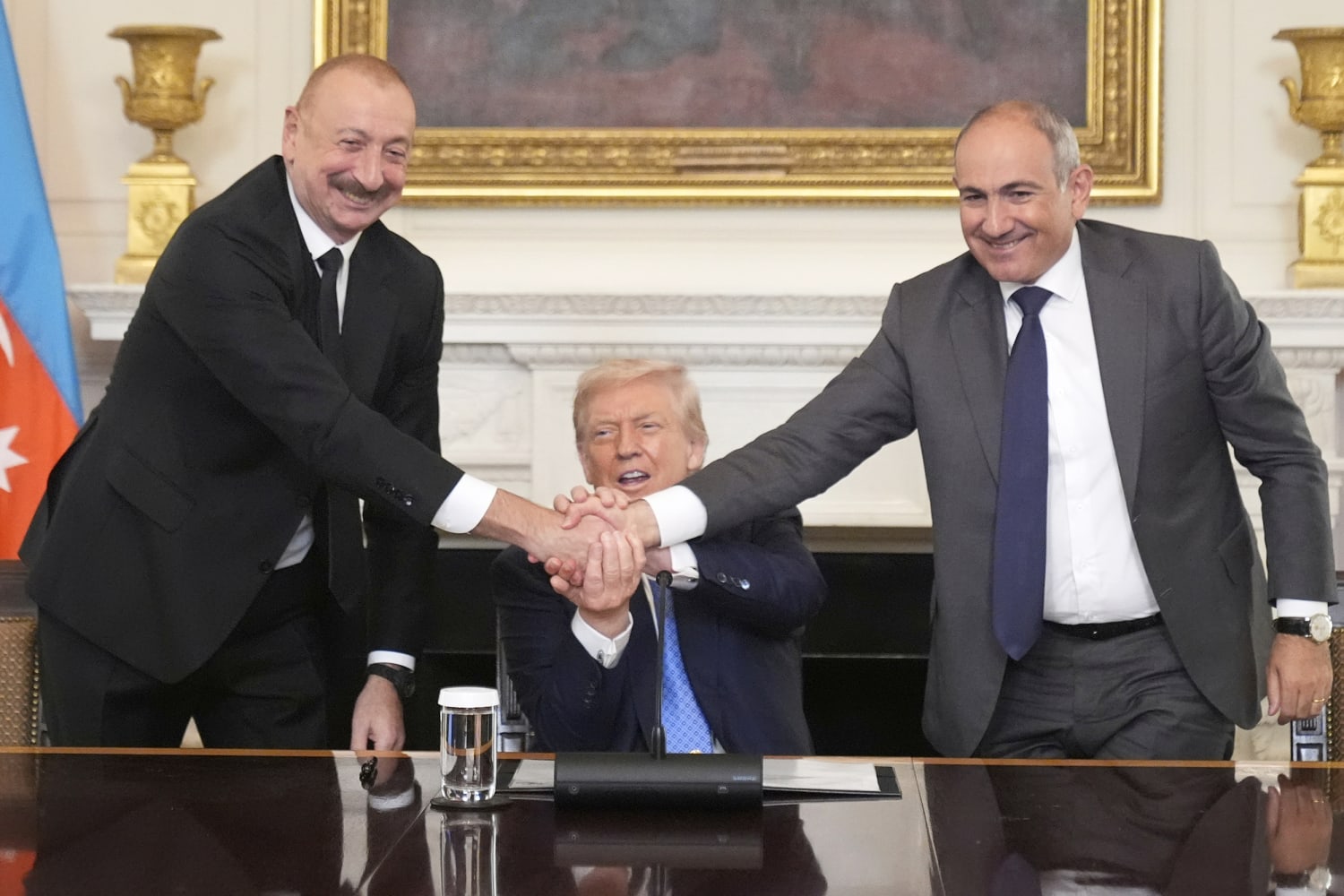
Поред тога, не могу се искључити ни могући „поклони“ са стране Турске и Азербејџана. С једне стране, могу бити предузети кораци ка отварању граница, а с друге - може бити предат одређени број јерменских ратних заробљеника, као што је већ био случај уочи ванредних парламентарних избора 2021. године у Јерменији. То још једном показује да се поступци садашње власти Јерменије у великој мери поклапају са интересима турско-азербејџанског тандема.
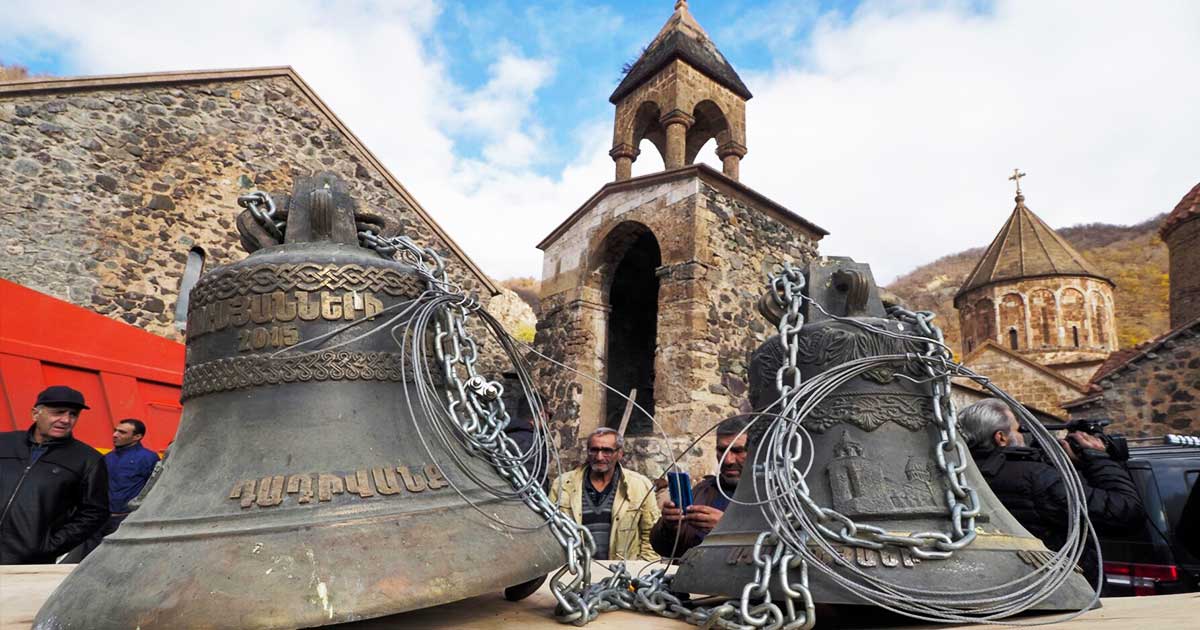
НА МЕТИ СУ ХРАМОВИ И СВЕТИЊЕ
У таквим околностима, Никол Пашињан може предузети одређене кораке и у питању притиска на Цркву. Ипак, с обзиром на актуелну ситуацију, вероватније је да би се на радикалније потезе могао одлучити тек након избора, уколико, наравно, успе да буде поново изабран.
У једно се, међутим, не може сумњати - настојање да се Црква потчини и издејствује смена католикоса део је политичких планова Пашињана. Он може привремено одустати од активних корака у том правцу, али се тешко може очекивати да ће у потпуности одустати од тог циља.
Поред тога, власти су свесне да је мало вероватно да ће обезбедити висок степен друштвене и изборне легитимности, па се стога ослањају на спољну легитимност. Посете високих европских званичника, одржавање великог европског скупа у мају - све је то усмерено на обезбеђивање подршке споља. У тај оквир уклапају се и процеси у односима са Азербејџаном и Турском. Спољна легитимност је оно што настоје да придодају бирократској легитимности унутар земље. Таква је њихова стратегија, и у односу према Цркви.
P.S. Дана 12. априла, у резиденцији јерменских патријараха - Престоном Светом Ечмијадзину - одржан је пријем за око 650 ходочасника из различитих епархија. У свом обраћању верницима, Гарегин II је нагласио историјску и духовну улогу Цркве у животу јерменског народа, али је посебну пажњу посветио актуелној кризи у односима са државом. Према његовим речима, током последње године свештенство се суочило са опсежним притисцима од стране представника власти. Као примере је навео неоснована привођења епископа, вештачке препреке у обављању духовне мисије и покушаје преузимања древних манастира и храмова.
Гарегин II је такође оценио као „још један антиуставни корак“ укључивање одредби у предизборни програм владајуће политичке снаге које директно погађају и нарушавају интересе Јерменске цркве. Духовни поглавар је истакао да су такви процеси праћени фабрикованим оптужбама, подстицањем нетрпељивости и отвореним претњама.